https://pubs.rsc.org/en/content/articlelanding/2020/MT/c9mt00253g#!divAbstract
பிரேக் தூசி வெளிப்பாடு வீக்கத்தை அதிகரிக்கிறது மற்றும் மேக்ரோபேஜ்களில் பாகோசைட்டோசிஸை இடைவிடாமல் சமரசம் செய்கிறது
லிசா செல்லி, ORCID லோகோ ‡ * ஒரு லிண்டா ஸ்கஸ்டர், ‡ பிசி ஹெலன் மார்பாக், பி தெரசா ஃபோர்ஸ்டுபர், பி பென் ஃபோர்ப்ஸ், ORCID லோகோ b திமோதி டபிள்யூ. காண்ட், ORCID லோகோ டி தாமஸ் சாண்ட்ஸ்ட்ரோம், எஃப் நூரியா காமியா, ஜி டோபி ஜே. அதெர்சுக், ORCID eh இயன் முட்வே ORCID லோகோ ஜி மற்றும் அபிநவ் குமார்ப்
ஆசிரியர் இணைப்புகள்
சுருக்கம்
மோசமான சுகாதார விளைவுகளை வெளிப்படுத்துவதில் எரிப்பு-பெறப்பட்ட துகள்களின் முக்கியத்துவத்தை ஆய்வுகள் வலியுறுத்தியுள்ளன, குறிப்பாக டீசல் வாகனங்களால் உற்பத்தி செய்யப்படுகின்றன. இதற்கு நேர்மாறாக, சில சாலைகள் டயர் மற்றும் பிரேக் உடைகளிலிருந்து பெறப்பட்ட துகள்களின் நச்சுத்தன்மையை ஆராய்ந்தன, மொத்த சாலையோர துகள் வெகுஜனங்களுக்கு அவை குறிப்பிடத்தக்க பங்களிப்பு செய்திருந்தாலும். இந்த ஆய்வின் நோக்கம், மனித வளிமண்டலங்களுக்கு பொருத்தமான ஒரு செல்லுலார் மாதிரியில் கலவையான தனித்துவமான பிரேக் சிராய்ப்பு தூசி (பிஏடி) மற்றும் டீசல் வெளியேற்ற துகள்கள் (டிஇபி) ஆகியவற்றின் ஒப்பீட்டு நச்சுத்தன்மையை ஒப்பிடுவதாகும். BAD ஆனது DEP ஐ விட கணிசமாக அதிகமான உலோகங்கள் / மெட்டல்லாய்டுகளைக் கொண்டிருந்தாலும் (தூண்டக்கூடிய இணைந்த பிளாஸ்மா மாஸ் ஸ்பெக்ட்ரோமெட்ரியால் தீர்மானிக்கப்படுகிறது) U937 மோனோசைட்-பெறப்பட்ட மேக்ரோபேஜ்களில் இதேபோன்ற நச்சுயியல் சுயவிவரங்கள் 24 மணிநேர வெளிப்பாடுகளைத் தொடர்ந்து 4-25 μg மில்லி - 1 டோஸ் துகள் வகைகளுக்கு காணப்பட்டன. மைட்டோகாண்ட்ரியல் டிப்போலரைசேஷன் (p ≤ 0.001), IL-8, IL-10 மற்றும் TNF-of (p ≤ 0.05 முதல் p ≤ 0.001) ஆகியவற்றின் அதிகரித்த சுரப்பு மற்றும் S. ஆரியஸின் பாகோசைட்டோசிஸ் குறைதல் ஆகியவற்றால் துகள்களுக்கான பதில்கள் வகைப்படுத்தப்பட்டன. (ப ≤ 0.001). இந்த பாகோசைடிக் பற்றாக்குறை மீட்கப்பட்டது, மேலும் சவால் செய்யப்பட்ட செல்கள் துகள் இல்லாத ஊடகங்களில் மேலும் 24 மணிநேரத்திற்கு அடைகாத்தபோது அழற்சியின் பதில் தீர்க்கப்பட்டது. இந்த பதில்கள் டெஸ்ஃபெராக்ஸமைனைப் பயன்படுத்தி உலோக மோசடி மூலம் ரத்து செய்யப்பட்டன. குறைந்தபட்ச சைட்டோடாக்ஸிக் அளவுகளில் DEP மற்றும் BAD இரண்டும் பாக்டீரியா அனுமதிக்கு இடையூறு விளைவித்தன மற்றும் U937 கலங்களில் அழற்சி பதில்களை ஒத்த ஆற்றலுடன் ஊக்குவித்தன. போக்குவரத்து தொடர்பான மருத்துவ சுகாதார விளைவுகளுக்கு சிராய்ப்பு துகள்களின் பங்களிப்புகளை பரிசீலிக்க வேண்டிய தேவையை இந்த தகவல்கள் வலியுறுத்துகின்றன.
வரைகலை சுருக்கம்:
பிரேக் தூசி வெளிப்பாடு வீக்கத்தை அதிகரிக்கிறது மற்றும் மேக்ரோபேஜ்களில் பாகோசைட்டோசிஸை இடைவிடாது சமரசம் செய்கிறது
உலோகவியலுக்கு முக்கியத்துவம்
மெட்டல் / மெட்டல்லாய்டு உள்ளடக்கம் தொடர்ந்து வால்பேப்பில் செல்லுலார் அழுத்தத்தையும் வீக்கத்தையும் ஏற்படுத்தும் டெயில்பைப்-பெறப்பட்ட துகள்களின் திறனுடன் தொடர்புடையது. பிரேக் தூசிக்கு வெளிப்பாடு (ஒரு செழிப்பான உலோகம், டெயில்பைப் அல்லாத, அணியும் துகள்) சுவாச நோய்க்கிருமிகளை உட்கொள்வதற்கான நோயெதிர்ப்பு உயிரணுக்களின் திறனைக் குறைக்கிறது மற்றும் ஒரு நிலையற்ற ஆனால் உலோகத்தை சார்ந்த முறையில் அழற்சி சமிக்ஞையை மேம்படுத்துகிறது என்பதை இங்கே நாங்கள் நிரூபிக்கிறோம்.
அறிமுகம்
சாலைகளுக்கு குடியிருப்பு அருகாமையில், குறிப்பாக டீசல் போக்குவரத்தின் அதிக விகிதத்தில் உள்ளவர்கள், அதிகரித்த இறப்பு விகிதங்கள், சுவாச நோயின் அதிகரிப்பு, அதிகரித்த இருதய அறிகுறிகள் 1 மற்றும் குழந்தைகளில் நுரையீரல் வளர்ச்சி மற்றும் அறிவாற்றல் ஆகியவற்றில் பாதகமான தாக்கங்கள் ஆகியவற்றுடன் தொடர்புடையது .2,3 போக்குவரத்து-பெறப்பட்ட மாசுபாடு ஒரு எரிபொருள் எரிப்பு மற்றும் மசகு எண்ணெய் ஆவியாகும் தன்மை, இயந்திர கூறுகளின் உடைகள் மற்றும் சாலை மேற்பரப்பின் சிராய்ப்பு ஆகியவற்றால் உற்பத்தி செய்யப்படும் வாயுக்கள் மற்றும் துகள்களின் பன்முக கலவை.
இன்றுவரை, போக்குவரத்து-பெறப்பட்ட துகள் நச்சுத்தன்மை குறித்த விசாரணைகளில் டீசல் வெளியேற்றமே முக்கிய மையமாக உள்ளது. இந்த கவனத்தை தொற்றுநோயியல் ஆய்வுகள் ஆதரித்தன, அவை எதிர்மறையான சுகாதார விளைவுகள் / இறுதிப் புள்ளிகள் மற்றும் டீசல் டெயில்பைப் உமிழ்வுகளின் ட்ரேசர்களுக்கிடையேயான குறிப்பிடத்தக்க தொடர்புகளை நிரூபிக்கின்றன .5,6 கூடுதலாக, விட்ரோ மற்றும் விவோ சோதனைகளில் ஒரே நேரத்தில் டீசல் வெளியேற்ற துகள்களின் (டிஇபி) தூண்டுதலின் திறனை நிரூபித்துள்ளது xenobiotic மற்றும் ஆக்ஸிஜனேற்ற பாதுகாப்பு, ரெடாக்ஸ்-சென்சிடிவ் சிக்னலிங் பாதைகள், அழற்சி அடுக்குகள் மற்றும் காற்றுப்பாதை நரம்பு இழைகளை செயல்படுத்துதல். 7–10 இதற்கு நேர்மாறாக, பிரேக், டயர் அல்லது கிளட்ச் உடைகள் போன்றவற்றால் தயாரிக்கப்படும் டெயில்பைப் அல்லாத துகள்களின் நச்சு திறன் குறைவாகவே உள்ளது கவனம்.
பிரேக் சிராய்ப்பு தூசி (பிஏடி) என்பது நகர்ப்புறங்களில் அளவிடப்படும் மிக அதிகமான டெயில்பைப் அல்லாத துகள் ஆகும், 11,12 டெயில்பைப் அல்லாத பிஎம் 1013 இல் 55% வரை பங்களிக்கிறது மற்றும் மொத்த ட்ராஃபிக் பிஎம் 10,14 இல் 21% பங்களிப்பு முன்னறிவிப்புடன் டெயில்பைப்புடன் அதிகரிக்கும் பி.எம்., டீசல் வாகனங்களுக்கான உமிழ்வு விதிமுறைகள் இறுக்கமடைகின்றன .4 பெரும்பாலும் கரடுமுரடான பயன்முறையாக பி.எம் என சித்தரிக்கப்படுவதால், சிராய்ப்பு-பெறப்பட்ட துகள்கள் சுவாசமான அபராதம் மற்றும் அல்ட்ராபைன் பின்னங்களுக்குள்ளும் உள்ளன 15 அவை தூர நுரையீரலில் ஊடுருவி, சுவாசக் குழாய் புறணி திரவங்களில் (ஆர்.டி.எல்.எஃப்) வைப்பு மற்றும் வசிக்கும் பாகோசைட்டுகள் மற்றும் எபிடெலியல் கலங்களுடன் தொடர்பு கொள்ளுங்கள். டெயில்பைப்-பெறப்பட்ட துகள்களைப் போலன்றி, பிஏடி உலோகங்களால் நிறைந்துள்ளது, அவற்றில் 4 (எ.கா. ஃபெ மற்றும் கியூ) ஆர்டிஎல்எப்களின் ஆக்ஸிஜன் நிறைந்த நிலைமைகளுக்குள் எதிர்வினை ஆக்ஸிஜன் இனங்கள் (ஆர்ஓஎஸ்) உருவாவதற்கு வினையூக்க முடியும், இதனால் குறைந்த செறிவு குறைந்த மூலக்கூறு எடை ஆக்ஸிஜனேற்றிகள் (குளுதாதயோன், யூரேட் மற்றும் α- டோகோபெரோல்), ஆக்ஸிஜனேற்ற நொதிகள் (சூப்பர் ஆக்சைடு டிஸ்முடேஸ் மற்றும் கேடலேஸ்) மற்றும் உலோக-பிணைப்பு புரதங்கள் (டிரான்ஸ்ப்ரின் மற்றும் கெருலோபிளாஸ்மின்) ஆகியவை எபிதீலியல் மேற்பரப்பை ஆக்ஸிஜனேற்ற தாக்குதலில் இருந்து பாதுகாக்கின்றன .16 உண்மையில், செல்-இலவசத்திற்குள் அமைப்புகள், சேதப்படுத்தும் ஆக்ஸிஜனேற்ற எதிர்வினைகளை வெளிப்படுத்த BAD அதிக திறனைக் காட்டுகிறது
https://www.chemistryworld.com/news/brake-dust-damages-lungs-as-much-as-diesel-exhaust-fumes/4011045.article
டீசல் வெளியேற்றும் புகைகளைப் போலவே பிரேக் தூசி நுரையீரலையும் சேதப்படுத்துகிறதுBY KATIE MORREY20 ஜனவரி 2020

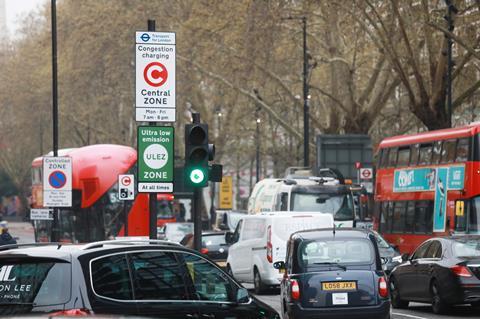
புக்மார்க்குலேண்ட்மார்க் ஆய்வு காற்று மாசுபாட்டு ஆராய்ச்சிக்கான புதிய வழியை எடுத்துக்காட்டுகிறதுலண்டனில் மிகக் குறைந்த உமிழ்வு மண்டலத்தைக் காட்டும் படம்ஆதாரம்: © கிறிஸ்டியன் பியூஸ் / படங்கள் / கெட்டி இமேஜஸ்போக்குவரத்து தொடர்பான அனைத்து காற்று மாசுபாடும் வால் குழாய் வெளியேற்றும் புகைகளிலிருந்து உருவாகவில்லைஐரோப்பிய மற்றும் அமெரிக்க அரசாங்கங்களுக்கு கார்களின் உடைகள் மற்றும் கண்ணீரின் விளைவாக ஏற்படும் காற்று மாசுபாட்டைக் கண்காணிக்க எந்த உத்தரவும் இல்லை. ஆயினும், டீசல் உமிழ்வுகளின் அதே அளவிலான பிரேக் தூசியில் உள்ள உலோகக் கூறுகள் காற்றுப்பாதை நோயெதிர்ப்பு உயிரணுக்களை சீர்குலைக்கின்றன என்பதைக் காட்டும் ஒரு ஆய்வு, அதை மாற்ற சக்கரங்களை இயக்கத்தில் அமைக்கும்.நகர்ப்புறங்களில் பிரேக் தூசி தற்போது 21% போக்குவரத்து காற்று துகள்களாக உள்ளது, ஆனால் டீசல் வாகனங்கள் மீதான விதிமுறைகள் நடைமுறைக்கு வருவதால் இது உயரும். இந்த தகவலுடன், இங்கிலாந்தின் கிங்ஸ் கல்லூரியில் இருந்து இயன் முட்வே தலைமையிலான குழு, நவீன நகர்ப்புற வாழ்க்கையின் நிலைமைகளின் பிரதிநிதியின் கீழ் தயாரிக்கப்பட்ட பிரேக் தூசியை சேகரித்து, மனித நுரையீரலின் நோயெதிர்ப்பு செயல்பாட்டில் அதன் விளைவுகளை ஆராயும். ஒவ்வொன்றின் நச்சுத்தன்மையையும் ஒப்பிட்டுப் பார்க்க டீசல் வெளியேற்றம் மற்றும் பிரேக் தூசி துகள்கள் ஆகிய இரண்டிற்கும் இந்த குழு நுரையீரல் செல்களை வெளிப்படுத்தியது. மாசு மூலங்கள் இரண்டும் வீக்கக் குறிப்பான்களை அதிகரித்தன மற்றும் பாக்டீரியாவை (பாகோசைட்டோசிஸ் என அழைக்கப்படுகின்றன) உட்கொள்வதற்கான நோயெதிர்ப்பு உயிரணுக்களின் திறனைக் குறைக்கின்றன என்பதை அவற்றின் தரவு காட்டுகிறது, இது நோய்த்தொற்றுக்கு எதிராக நுரையீரலைப் பாதுகாப்பதற்கான உடலின் முதன்மை வழிமுறையாகும்.வாகனம் மூலம் பெறப்பட்ட மாசுபாட்டின் வெளிப்பாடு எவ்வாறு நுரையீரல் தொற்றுநோயைத் தடுக்கும் திறனைக் குறைக்கிறது என்பதையும், நகர்ப்புற சூழல்களில் இத்தகைய நோய்த்தொற்றுகள் ஏன் அதிகம் காணப்படுகின்றன என்பதையும் இந்த ஆய்வு எடுத்துக்காட்டுகிறது.மேலும், மாசுபடுத்திகளுடன் ஒரு உலோக செலேட்டரைச் சேர்ப்பது பாக்டீரியாவை எதிர்த்துப் போராடும் உயிரணுக்களின் திறனை மீட்டெடுத்தது. பிரேக் தூசியின் உயர் உலோகக் கூறு சேதத்தை ஏற்படுத்துகிறது என்று இது அறிவுறுத்துகிறது. இரு மாசு மூலங்களையும் வெளிப்படுத்திய பின்னர் குழு வெனடியத்தின் அளவை உயர்த்தியது. தனிமைப்படுத்தப்பட்ட மைட்டோகாண்ட்ரியாவுடன் தொடர்புகொள்வதன் மூலம் வெனடியம் செல் செயல்பாட்டை சீர்குலைத்து, கலத்தில் இலவச ரேடியல் உற்பத்தியை அதிகரிக்கும் என்று அவர்கள் கூறுகிறார்கள்.பிரிட்டனின் ஆக்ஸ்போர்டு பல்கலைக்கழகத்தின் சுற்றுச்சூழல் மாற்ற நிறுவனத்தைச் சேர்ந்த கிளேர் ஹெவிசைட் கூறுகையில், ‘இது வாகனங்களில் இருந்து வெளியேற்றப்படாத உமிழ்வுகளை குறிவைத்து ஒழுங்குபடுத்துவதற்கான ஒரு உந்துதலாகும்.சுவாரஸ்யமாக, மாசு இல்லாத சூழலில் செல்லுலார் செயல்பாடு 24 மணி நேரத்திற்குப் பிறகு மீட்கப்பட்டது. இங்கிலாந்தின் நாட்டிங்ஹாம் பல்கலைக்கழகத்தின் சுற்றுச்சூழல் நச்சுகளின் ஆரோக்கிய விளைவுகளில் நிபுணரான வெய்ன் கார்ட்டர் கூறுகிறார், 'சவாலான செல்கள் துகள் சவாலில் இருந்து விடுபட்ட ஒரு காலத்திற்குப் பிறகு அவற்றின் phagocytic செயல்பாட்டை மீண்டும் பெற முடியும் என்பது உறுதியளிக்கிறது, ஆனால் இது வழக்கமான தேவையை அடிக்கோடிட்டுக் காட்டுகிறது நச்சு சாலையோர வெளிப்பாடுகளிலிருந்து ஓய்வு. 'குறிப்புகள்
எலக்ட்ரிக் வாகனங்களுக்கு மாறுவதற்கான மற்றொரு காரணம், இது பிரேக்குகளை கிட்டத்தட்ட பயன்படுத்தாதது மற்றும் அதற்கு பதிலாக மீளுருவாக்கம் செய்யும் பிரேக்கிங் (இது பேட்டரிகளை ரீசார்ஜ் செய்கிறது) ---
பிரேக் தூசி வெளிப்பாடு வீக்கத்தை அதிகரிக்கிறது மற்றும் மேக்ரோபேஜ்களில் பாகோசைட்டோசிஸை இடைவிடாமல் சமரசம் செய்கிறது
லிசா செல்லி, ORCID லோகோ ‡ * ஒரு லிண்டா ஸ்கஸ்டர், ‡ பிசி ஹெலன் மார்பாக், பி தெரசா ஃபோர்ஸ்டுபர், பி பென் ஃபோர்ப்ஸ், ORCID லோகோ b திமோதி டபிள்யூ. காண்ட், ORCID லோகோ டி தாமஸ் சாண்ட்ஸ்ட்ரோம், எஃப் நூரியா காமியா, ஜி டோபி ஜே. அதெர்சுக், ORCID eh இயன் முட்வே ORCID லோகோ ஜி மற்றும் அபிநவ் குமார்ப்
ஆசிரியர் இணைப்புகள்
சுருக்கம்
மோசமான சுகாதார விளைவுகளை வெளிப்படுத்துவதில் எரிப்பு-பெறப்பட்ட துகள்களின் முக்கியத்துவத்தை ஆய்வுகள் வலியுறுத்தியுள்ளன, குறிப்பாக டீசல் வாகனங்களால் உற்பத்தி செய்யப்படுகின்றன. இதற்கு நேர்மாறாக, சில சாலைகள் டயர் மற்றும் பிரேக் உடைகளிலிருந்து பெறப்பட்ட துகள்களின் நச்சுத்தன்மையை ஆராய்ந்தன, மொத்த சாலையோர துகள் வெகுஜனங்களுக்கு அவை குறிப்பிடத்தக்க பங்களிப்பு செய்திருந்தாலும். இந்த ஆய்வின் நோக்கம், மனித வளிமண்டலங்களுக்கு பொருத்தமான ஒரு செல்லுலார் மாதிரியில் கலவையான தனித்துவமான பிரேக் சிராய்ப்பு தூசி (பிஏடி) மற்றும் டீசல் வெளியேற்ற துகள்கள் (டிஇபி) ஆகியவற்றின் ஒப்பீட்டு நச்சுத்தன்மையை ஒப்பிடுவதாகும். BAD ஆனது DEP ஐ விட கணிசமாக அதிகமான உலோகங்கள் / மெட்டல்லாய்டுகளைக் கொண்டிருந்தாலும் (தூண்டக்கூடிய இணைந்த பிளாஸ்மா மாஸ் ஸ்பெக்ட்ரோமெட்ரியால் தீர்மானிக்கப்படுகிறது) U937 மோனோசைட்-பெறப்பட்ட மேக்ரோபேஜ்களில் இதேபோன்ற நச்சுயியல் சுயவிவரங்கள் 24 மணிநேர வெளிப்பாடுகளைத் தொடர்ந்து 4-25 μg மில்லி - 1 டோஸ் துகள் வகைகளுக்கு காணப்பட்டன. மைட்டோகாண்ட்ரியல் டிப்போலரைசேஷன் (p ≤ 0.001), IL-8, IL-10 மற்றும் TNF-of (p ≤ 0.05 முதல் p ≤ 0.001) ஆகியவற்றின் அதிகரித்த சுரப்பு மற்றும் S. ஆரியஸின் பாகோசைட்டோசிஸ் குறைதல் ஆகியவற்றால் துகள்களுக்கான பதில்கள் வகைப்படுத்தப்பட்டன. (ப ≤ 0.001). இந்த பாகோசைடிக் பற்றாக்குறை மீட்கப்பட்டது, மேலும் சவால் செய்யப்பட்ட செல்கள் துகள் இல்லாத ஊடகங்களில் மேலும் 24 மணிநேரத்திற்கு அடைகாத்தபோது அழற்சியின் பதில் தீர்க்கப்பட்டது. இந்த பதில்கள் டெஸ்ஃபெராக்ஸமைனைப் பயன்படுத்தி உலோக மோசடி மூலம் ரத்து செய்யப்பட்டன. குறைந்தபட்ச சைட்டோடாக்ஸிக் அளவுகளில் DEP மற்றும் BAD இரண்டும் பாக்டீரியா அனுமதிக்கு இடையூறு விளைவித்தன மற்றும் U937 கலங்களில் அழற்சி பதில்களை ஒத்த ஆற்றலுடன் ஊக்குவித்தன. போக்குவரத்து தொடர்பான மருத்துவ சுகாதார விளைவுகளுக்கு சிராய்ப்பு துகள்களின் பங்களிப்புகளை பரிசீலிக்க வேண்டிய தேவையை இந்த தகவல்கள் வலியுறுத்துகின்றன.
வரைகலை சுருக்கம்:
பிரேக் தூசி வெளிப்பாடு வீக்கத்தை அதிகரிக்கிறது மற்றும் மேக்ரோபேஜ்களில் பாகோசைட்டோசிஸை இடைவிடாது சமரசம் செய்கிறது
உலோகவியலுக்கு முக்கியத்துவம்
மெட்டல் / மெட்டல்லாய்டு உள்ளடக்கம் தொடர்ந்து வால்பேப்பில் செல்லுலார் அழுத்தத்தையும் வீக்கத்தையும் ஏற்படுத்தும் டெயில்பைப்-பெறப்பட்ட துகள்களின் திறனுடன் தொடர்புடையது. பிரேக் தூசிக்கு வெளிப்பாடு (ஒரு செழிப்பான உலோகம், டெயில்பைப் அல்லாத, அணியும் துகள்) சுவாச நோய்க்கிருமிகளை உட்கொள்வதற்கான நோயெதிர்ப்பு உயிரணுக்களின் திறனைக் குறைக்கிறது மற்றும் ஒரு நிலையற்ற ஆனால் உலோகத்தை சார்ந்த முறையில் அழற்சி சமிக்ஞையை மேம்படுத்துகிறது என்பதை இங்கே நாங்கள் நிரூபிக்கிறோம்.
அறிமுகம்
சாலைகளுக்கு குடியிருப்பு அருகாமையில், குறிப்பாக டீசல் போக்குவரத்தின் அதிக விகிதத்தில் உள்ளவர்கள், அதிகரித்த இறப்பு விகிதங்கள், சுவாச நோயின் அதிகரிப்பு, அதிகரித்த இருதய அறிகுறிகள் 1 மற்றும் குழந்தைகளில் நுரையீரல் வளர்ச்சி மற்றும் அறிவாற்றல் ஆகியவற்றில் பாதகமான தாக்கங்கள் ஆகியவற்றுடன் தொடர்புடையது .2,3 போக்குவரத்து-பெறப்பட்ட மாசுபாடு ஒரு எரிபொருள் எரிப்பு மற்றும் மசகு எண்ணெய் ஆவியாகும் தன்மை, இயந்திர கூறுகளின் உடைகள் மற்றும் சாலை மேற்பரப்பின் சிராய்ப்பு ஆகியவற்றால் உற்பத்தி செய்யப்படும் வாயுக்கள் மற்றும் துகள்களின் பன்முக கலவை.
இன்றுவரை, போக்குவரத்து-பெறப்பட்ட துகள் நச்சுத்தன்மை குறித்த விசாரணைகளில் டீசல் வெளியேற்றமே முக்கிய மையமாக உள்ளது. இந்த கவனத்தை தொற்றுநோயியல் ஆய்வுகள் ஆதரித்தன, அவை எதிர்மறையான சுகாதார விளைவுகள் / இறுதிப் புள்ளிகள் மற்றும் டீசல் டெயில்பைப் உமிழ்வுகளின் ட்ரேசர்களுக்கிடையேயான குறிப்பிடத்தக்க தொடர்புகளை நிரூபிக்கின்றன .5,6 கூடுதலாக, விட்ரோ மற்றும் விவோ சோதனைகளில் ஒரே நேரத்தில் டீசல் வெளியேற்ற துகள்களின் (டிஇபி) தூண்டுதலின் திறனை நிரூபித்துள்ளது xenobiotic மற்றும் ஆக்ஸிஜனேற்ற பாதுகாப்பு, ரெடாக்ஸ்-சென்சிடிவ் சிக்னலிங் பாதைகள், அழற்சி அடுக்குகள் மற்றும் காற்றுப்பாதை நரம்பு இழைகளை செயல்படுத்துதல். 7–10 இதற்கு நேர்மாறாக, பிரேக், டயர் அல்லது கிளட்ச் உடைகள் போன்றவற்றால் தயாரிக்கப்படும் டெயில்பைப் அல்லாத துகள்களின் நச்சு திறன் குறைவாகவே உள்ளது கவனம்.
பிரேக் சிராய்ப்பு தூசி (பிஏடி) என்பது நகர்ப்புறங்களில் அளவிடப்படும் மிக அதிகமான டெயில்பைப் அல்லாத துகள் ஆகும், 11,12 டெயில்பைப் அல்லாத பிஎம் 1013 இல் 55% வரை பங்களிக்கிறது மற்றும் மொத்த ட்ராஃபிக் பிஎம் 10,14 இல் 21% பங்களிப்பு முன்னறிவிப்புடன் டெயில்பைப்புடன் அதிகரிக்கும் பி.எம்., டீசல் வாகனங்களுக்கான உமிழ்வு விதிமுறைகள் இறுக்கமடைகின்றன .4 பெரும்பாலும் கரடுமுரடான பயன்முறையாக பி.எம் என சித்தரிக்கப்படுவதால், சிராய்ப்பு-பெறப்பட்ட துகள்கள் சுவாசமான அபராதம் மற்றும் அல்ட்ராபைன் பின்னங்களுக்குள்ளும் உள்ளன 15 அவை தூர நுரையீரலில் ஊடுருவி, சுவாசக் குழாய் புறணி திரவங்களில் (ஆர்.டி.எல்.எஃப்) வைப்பு மற்றும் வசிக்கும் பாகோசைட்டுகள் மற்றும் எபிடெலியல் கலங்களுடன் தொடர்பு கொள்ளுங்கள். டெயில்பைப்-பெறப்பட்ட துகள்களைப் போலன்றி, பிஏடி உலோகங்களால் நிறைந்துள்ளது, அவற்றில் 4 (எ.கா. ஃபெ மற்றும் கியூ) ஆர்டிஎல்எப்களின் ஆக்ஸிஜன் நிறைந்த நிலைமைகளுக்குள் எதிர்வினை ஆக்ஸிஜன் இனங்கள் (ஆர்ஓஎஸ்) உருவாவதற்கு வினையூக்க முடியும், இதனால் குறைந்த செறிவு குறைந்த மூலக்கூறு எடை ஆக்ஸிஜனேற்றிகள் (குளுதாதயோன், யூரேட் மற்றும் α- டோகோபெரோல்), ஆக்ஸிஜனேற்ற நொதிகள் (சூப்பர் ஆக்சைடு டிஸ்முடேஸ் மற்றும் கேடலேஸ்) மற்றும் உலோக-பிணைப்பு புரதங்கள் (டிரான்ஸ்ப்ரின் மற்றும் கெருலோபிளாஸ்மின்) ஆகியவை எபிதீலியல் மேற்பரப்பை ஆக்ஸிஜனேற்ற தாக்குதலில் இருந்து பாதுகாக்கின்றன .16 உண்மையில், செல்-இலவசத்திற்குள் அமைப்புகள், சேதப்படுத்தும் ஆக்ஸிஜனேற்ற எதிர்வினைகளை வெளிப்படுத்த BAD அதிக திறனைக் காட்டுகிறது
https://www.chemistryworld.com/news/brake-dust-damages-lungs-as-much-as-diesel-exhaust-fumes/4011045.article
டீசல் வெளியேற்றும் புகைகளைப் போலவே பிரேக் தூசி நுரையீரலையும் சேதப்படுத்துகிறதுBY KATIE MORREY20 ஜனவரி 2020

புக்மார்க்குலேண்ட்மார்க் ஆய்வு காற்று மாசுபாட்டு ஆராய்ச்சிக்கான புதிய வழியை எடுத்துக்காட்டுகிறதுலண்டனில் மிகக் குறைந்த உமிழ்வு மண்டலத்தைக் காட்டும் படம்ஆதாரம்: © கிறிஸ்டியன் பியூஸ் / படங்கள் / கெட்டி இமேஜஸ்போக்குவரத்து தொடர்பான அனைத்து காற்று மாசுபாடும் வால் குழாய் வெளியேற்றும் புகைகளிலிருந்து உருவாகவில்லைஐரோப்பிய மற்றும் அமெரிக்க அரசாங்கங்களுக்கு கார்களின் உடைகள் மற்றும் கண்ணீரின் விளைவாக ஏற்படும் காற்று மாசுபாட்டைக் கண்காணிக்க எந்த உத்தரவும் இல்லை. ஆயினும், டீசல் உமிழ்வுகளின் அதே அளவிலான பிரேக் தூசியில் உள்ள உலோகக் கூறுகள் காற்றுப்பாதை நோயெதிர்ப்பு உயிரணுக்களை சீர்குலைக்கின்றன என்பதைக் காட்டும் ஒரு ஆய்வு, அதை மாற்ற சக்கரங்களை இயக்கத்தில் அமைக்கும்.நகர்ப்புறங்களில் பிரேக் தூசி தற்போது 21% போக்குவரத்து காற்று துகள்களாக உள்ளது, ஆனால் டீசல் வாகனங்கள் மீதான விதிமுறைகள் நடைமுறைக்கு வருவதால் இது உயரும். இந்த தகவலுடன், இங்கிலாந்தின் கிங்ஸ் கல்லூரியில் இருந்து இயன் முட்வே தலைமையிலான குழு, நவீன நகர்ப்புற வாழ்க்கையின் நிலைமைகளின் பிரதிநிதியின் கீழ் தயாரிக்கப்பட்ட பிரேக் தூசியை சேகரித்து, மனித நுரையீரலின் நோயெதிர்ப்பு செயல்பாட்டில் அதன் விளைவுகளை ஆராயும். ஒவ்வொன்றின் நச்சுத்தன்மையையும் ஒப்பிட்டுப் பார்க்க டீசல் வெளியேற்றம் மற்றும் பிரேக் தூசி துகள்கள் ஆகிய இரண்டிற்கும் இந்த குழு நுரையீரல் செல்களை வெளிப்படுத்தியது. மாசு மூலங்கள் இரண்டும் வீக்கக் குறிப்பான்களை அதிகரித்தன மற்றும் பாக்டீரியாவை (பாகோசைட்டோசிஸ் என அழைக்கப்படுகின்றன) உட்கொள்வதற்கான நோயெதிர்ப்பு உயிரணுக்களின் திறனைக் குறைக்கின்றன என்பதை அவற்றின் தரவு காட்டுகிறது, இது நோய்த்தொற்றுக்கு எதிராக நுரையீரலைப் பாதுகாப்பதற்கான உடலின் முதன்மை வழிமுறையாகும்.வாகனம் மூலம் பெறப்பட்ட மாசுபாட்டின் வெளிப்பாடு எவ்வாறு நுரையீரல் தொற்றுநோயைத் தடுக்கும் திறனைக் குறைக்கிறது என்பதையும், நகர்ப்புற சூழல்களில் இத்தகைய நோய்த்தொற்றுகள் ஏன் அதிகம் காணப்படுகின்றன என்பதையும் இந்த ஆய்வு எடுத்துக்காட்டுகிறது.மேலும், மாசுபடுத்திகளுடன் ஒரு உலோக செலேட்டரைச் சேர்ப்பது பாக்டீரியாவை எதிர்த்துப் போராடும் உயிரணுக்களின் திறனை மீட்டெடுத்தது. பிரேக் தூசியின் உயர் உலோகக் கூறு சேதத்தை ஏற்படுத்துகிறது என்று இது அறிவுறுத்துகிறது. இரு மாசு மூலங்களையும் வெளிப்படுத்திய பின்னர் குழு வெனடியத்தின் அளவை உயர்த்தியது. தனிமைப்படுத்தப்பட்ட மைட்டோகாண்ட்ரியாவுடன் தொடர்புகொள்வதன் மூலம் வெனடியம் செல் செயல்பாட்டை சீர்குலைத்து, கலத்தில் இலவச ரேடியல் உற்பத்தியை அதிகரிக்கும் என்று அவர்கள் கூறுகிறார்கள்.பிரிட்டனின் ஆக்ஸ்போர்டு பல்கலைக்கழகத்தின் சுற்றுச்சூழல் மாற்ற நிறுவனத்தைச் சேர்ந்த கிளேர் ஹெவிசைட் கூறுகையில், ‘இது வாகனங்களில் இருந்து வெளியேற்றப்படாத உமிழ்வுகளை குறிவைத்து ஒழுங்குபடுத்துவதற்கான ஒரு உந்துதலாகும்.சுவாரஸ்யமாக, மாசு இல்லாத சூழலில் செல்லுலார் செயல்பாடு 24 மணி நேரத்திற்குப் பிறகு மீட்கப்பட்டது. இங்கிலாந்தின் நாட்டிங்ஹாம் பல்கலைக்கழகத்தின் சுற்றுச்சூழல் நச்சுகளின் ஆரோக்கிய விளைவுகளில் நிபுணரான வெய்ன் கார்ட்டர் கூறுகிறார், 'சவாலான செல்கள் துகள் சவாலில் இருந்து விடுபட்ட ஒரு காலத்திற்குப் பிறகு அவற்றின் phagocytic செயல்பாட்டை மீண்டும் பெற முடியும் என்பது உறுதியளிக்கிறது, ஆனால் இது வழக்கமான தேவையை அடிக்கோடிட்டுக் காட்டுகிறது நச்சு சாலையோர வெளிப்பாடுகளிலிருந்து ஓய்வு. 'குறிப்புகள்
எலக்ட்ரிக் வாகனங்களுக்கு மாறுவதற்கான மற்றொரு காரணம், இது பிரேக்குகளை கிட்டத்தட்ட பயன்படுத்தாதது மற்றும் அதற்கு பதிலாக மீளுருவாக்கம் செய்யும் பிரேக்கிங் (இது பேட்டரிகளை ரீசார்ஜ் செய்கிறது) ---
Landmark study highlights a new avenue for air pollution research
European and American governments have no directives to monitor air pollution resulting from the wear and tear of cars. Yet, a study showing that the metallic components in brake dust disrupt airway immune cells on the same scale as diesel emissions could set the wheels in motion to change that.
Brake dust in urban areas currently makes up around 21% of traffic air particulates, but this is set to rise as regulations on diesel vehicles come into effect. With this information, a team led by Ian Mudway from King’s College London in the UK collected brake dust, produced under conditions representative of modern urban life, to investigate its effects on the immune function of human lungs. The team exposed lung cells to both diesel exhaust and brake dust particles to compare the toxicity of each. Their data showed that both pollution sources increased inflammation markers and impaired the ability of immune cells to ingest bacteria (called phagocytosis), which is the body’s primary mechanism for protecting the lungs against infection.
The study highlights how exposure to vehicle-derived pollution decreases the lungs ability to prevent infection and may be why such infections are more common in urban environments.
Furthermore, adding a metal chelator alongside the pollutants restored the cells ability to fight bacteria. This suggests that the high metallic component of brake dust causes the damage. The team detected raised levels of vanadium after exposure to both pollution sources. They say vanadium may disrupt cell function by interacting with isolated mitochondria, increasing the free radial production in the cell.
‘This is a motivation to also target and regulate non-tailpipe emissions from vehicles, to properly benefit public health,’ says Clare Heaviside from the Environmental Change Institute at the University of Oxford, UK.
Interestingly, cellular activity recovered after 24 hours in a pollution free environment. Wayne Carter, an expert in the health effects of environmental toxins from the University of Nottingham, UK, says ‘It is reassuring that challenged cells are able to regain their phagocytic function after a period free from particulate challenge, but this underscores the need for regular respite from potentially toxic roadside exposures.’
References
Brake dust exposure exacerbates inflammation and transiently compromises phagocytosis in macrophages†
Liza Selley, ORCID logo ‡*a Linda Schuster,‡bc Helene Marbach,b Theresa Forsthuber,b Ben Forbes, ORCID logo b Timothy W. Gant, ORCID logo de Thomas Sandström,f Nuria Camiña,g Toby J. Athersuch, ORCID logo eh Ian Mudway ORCID logo gi and Abhinav Kumarb
Author affiliations
Abstract
Studies have emphasised the importance of combustion-derived particles in eliciting adverse health effects, especially those produced by diesel vehicles. In contrast, few investigations have explored the potential toxicity of particles derived from tyre and brake wear, despite their significant contributions to total roadside particulate mass. The objective of this study was to compare the relative toxicity of compositionally distinct brake abrasion dust (BAD) and diesel exhaust particles (DEP) in a cellular model that is relevant to human airways. Although BAD contained considerably more metals/metalloids than DEP (as determined by inductively coupled plasma mass spectrometry) similar toxicological profiles were observed in U937 monocyte-derived macrophages following 24 h exposures to 4–25 μg ml−1 doses of either particle type. Responses to the particles were characterised by dose-dependent decreases in mitochondrial depolarisation (p ≤ 0.001), increased secretion of IL-8, IL-10 and TNF-α (p ≤ 0.05 to p ≤ 0.001) and decreased phagocytosis of S. aureus (p ≤ 0.001). This phagocytic deficit recovered, and the inflammatory response resolved when challenged cells were incubated for a further 24 h in particle-free media. These responses were abrogated by metal chelation using desferroxamine. At minimally cytotoxic doses both DEP and BAD perturbed bacterial clearance and promoted inflammatory responses in U937 cells with similar potency. These data emphasise the requirement to consider contributions of abrasion particles to traffic-related clinical health effects.
Graphical abstract: Brake dust exposure exacerbates inflammation and transiently compromises phagocytosis in macrophages
Significance to metallomics
Metal/metalloid content is consistently associated with the capacity of tailpipe-derived particulates to cause cellular stress and inflammation in the airways. Here, we demonstrate that exposure to brake dust (a richly metallic, non-tailpipe-derived, wear particle) also impairs the ability of immune cells to ingest respiratory pathogens and enhances inflammatory signalling in a transient but metal-dependent manner.
Introduction
Residential proximity to roads, particularly those carrying high proportions of diesel traffic, has been associated with increased mortality rates, exacerbations of respiratory disease, increased cardiovascular symptoms1 and adverse impacts on lung development and cognition in children.2,3 Traffic-derived pollution represents a heterogeneous mixture of gases and particulates, produced by fuel combustion and lubricant volatilisation, wear of mechanical components and abrasion of the road surface.4
To date, diesel exhaust has been the major focus of investigations into traffic-derived particulate toxicity. This focus has been supported by epidemiological studies which demonstrate significant associations between adverse health outcomes/endpoints and tracers of diesel tailpipe emissions.5,6 Additionally, concurrent in vitro and in vivo experimentation has demonstrated the capacity of diesel exhaust particles (DEP) to stimulate xenobiotic and antioxidant defences, redox-sensitive signalling pathways, inflammatory cascades and the activation of airway nerve fibres.7–10 In contrast, the toxic potential of non-tailpipe particulates, such as those produced by brake, tyre or clutch wear has received little attention.
Brake abrasion dust (BAD) is the most abundant non-tailpipe particulate measured in urban areas,11,12 contributing up to 55% of non-tailpipe PM1013 and 21% of total traffic PM10,14 with the contribution forecast to increase relative to tailpipe PM, as emission regulations for diesel vehicles tighten.4 Often portrayed as coarse mode PM, abrasion-derived particles also exist within the respirable fine and ultrafine fractions15 giving them potential to penetrate the distal lung, deposit in respiratory tract lining fluids (RTLFs) and interact with resident phagocytes and epithelial cells. Unlike tailpipe-derived particles, BAD is rich in metals,4 many of which (e.g. Fe and Cu) can catalyse the formation of reactive oxygen species (ROS) within the oxygen-rich conditions of the RTLFs, thus challenging the high concentrations of low molecular weight antioxidants (glutathione, urate and α-tocopherol), antioxidant enzymes (superoxide dismutase and catalase) and metal-binding proteins (transferrin and caeruloplasmin), which exist to protect the epithelial surface from oxidative attack.16 Indeed, within cell-free systems, BAD displays greater capacity to elicit damaging oxidation reactions than DEP.17
Despite associations existing between occupational metal fume exposures and inflammatory pulmonary pathophysiologies (including metal fume fever which has been recognised since the 1950's),18 very few publications have explored the direct adverse effects of BAD exposure in pulmonary models. Employing mechanistic understanding of how such occupational pathophysiologies develop,18 those that have, focus predominantly on the pro-inflammatory and oxidative stress-inducing potential of the particles. Mimicking exposure of the alveolar epithelium, Gasser et al. demonstrated that the metallic fraction of BAD induces pro-inflammatory signalling and disrupts tight junction integrity in A549 cells.19 A comparatively reduced inflammatory response was documented in Calu-3 bronchial epithelial cells following exposure to Fe and Cu-rich BAD, but increases in IL-6 secretion did associate with ROS production following exposure to concentrations greater than 50 μg cm−2.20 Using a mouse inhalation model, Gerlofs-Nijland et al. found that the fine fraction of BAD also induced pro-inflammatory responses in vivo following acute (1.5–6 h) exposures of up to 9 mg m−3. Based upon influx of circulating immune cells (polymorphonucleocytes) and concentrations of cytokines secreted into the bronchiolar lavage fluid (BALF) by these and by resident airway phagocytes and epithelial cells, the authors found that particles produced by low and semi-metallic brake pads induced pulmonary inflammation at a similar dose to DEP and tyre wear, but exhibited lower potency than particles produced through biomass combustion. BAD produced from non-asbestos organic (NAO) brake pads was found to be the most potent of all particles tested: a result that the authors attribute to its high copper content.21
Other studies have attributed toxicological endpoints to BAD and general abrasion-related particles by examining the toxicity of roadside PM, with and without the use of metal chelators to try and isolate the metal-dependent signature. Using this approach, the metal content of roadside PM in samples collected throughout Europe was shown to be related to the capacity of RAW264.7 monocyte-derived macrophages (MDM) to release arachidonic acid metabolites.22 Other within-city and pan-national studies have shown that the capacity of ambient PM to elicit damaging oxidation reactions is strongly related to their content of brake-wear related metals, such as Cu, Ba and Sb.23–25 Susceptibility to pulmonary infections remains unexamined in the context of BAD exposure, but exposure to metal-rich aerosols (especially those containing Fe, Cr, Al and Ti) has been associated with increased mortality from pneumonia in welders and foundry workers,26,27 enhance pneumococcal adhesion to airway epithelial cells,32 and impairment of bacterial phagocytosis in airway phagocytes.36,37 Given the metallic, Fe-rich composition of BAD, it is therefore possible that these and other metal-rich vehicle-derived particles could contribute to the heightened incidence of pulmonary infections that exists in urban environments.30,31
In the current study, we used the U937 monocyte-derived macrophage cell line to perform side-by-side characterisations of the toxicity that BAD and diesel exhaust particles exert on airway macrophages (phagocytes found resident to the alveolar lumen surface during homeostasis). The work explored endpoints additional to inflammatory potential that had previously been shown to be perturbed by diesel particulate challenge: mitochondrial dysfunction, cell morphometry as an indicator of apoptosis or necrosis and phagocytic competence. We hypothesised that both particle types would perturb cell function, but that there would be significant differences in response, reflecting the marked compositional difference between the particle species.

No comments:
Post a Comment